

Game discovery is easier when a large lobby is organised around how you actually prefer to play. The catalogue described for betya brings together slots, table games, live dealer rooms, instant titles and other formats, but quantity alone does not make selection simple. A practical approach is to begin with game type, then narrow the choice using volatility, available information, pace and personal spending limits. The following guide explains how Canadian players can explore that range without treating every title as interchangeable.

Start with the game experience, not the title list
The quickest way to narrow a substantial casino lobby is to decide what kind of experience you want. Video slots suit players who prefer automated rounds, visual themes and feature mechanics. Classic slots offer a simpler presentation, while jackpot games add a prize-pool element that may appeal to someone seeking a different type of excitement. Neither category should be treated as a reliable route to profit; the distinction is mainly about format and pace.
Table games create a more decision-focused experience. Blackjack, roulette, baccarat and craps each use different rules and betting structures, so a player who enjoys making choices may find them more engaging than slots. Video poker sits between categories: it uses cards and decisions but usually presents the action through a digital interface. Bingo, keno and scratch cards provide other alternatives for people who prefer shorter or more straightforward sessions.
A useful first pass is to separate games into three groups: automated games, decision-based games and streamed games. Automated games include slots, instant titles and many casino originals. Decision-based options include blackjack, poker-style games and some dice formats. Streamed games involve a live dealer and real-time presentation. This simple classification prevents a long provider list from becoming the main basis for choosing.
How do filters turn a large lobby into a shortlist?
Navigation categories are most useful when combined rather than viewed in isolation. Sections such as New, Top 50, Hot, Favorites and Recents can help with discovery, but they do not explain whether a game matches your preferred pace or risk profile. Use these areas to find candidates, then open each title and check its rules, pay information and any available RTP details before deciding whether it belongs on your shortlist.
Specialist categories can make the process more precise. Video Slots and Classic Slots distinguish presentation and mechanics, while Live Dealer, Blackjack, Roulette, Table Games and Video Poker identify the underlying format. Jackpot, Originals, Crash, Mines and other instant-game groupings may appeal to players looking for a different rhythm. If a title appears in several categories, treat that as a navigation convenience rather than proof that it offers better value.
After selecting a few possibilities, compare them using the same questions: How long does one round take? Are decisions required? Does the game display RTP information? Are bonus buys, cascading reels or Hold & Win features present? Is the interface understandable without relying on rapid play? Saving suitable titles to Favorites or reviewing Recents can make future sessions more deliberate, while removing games that repeatedly encourage unwanted spending can keep the lobby manageable.
What should you check before trying a slot?
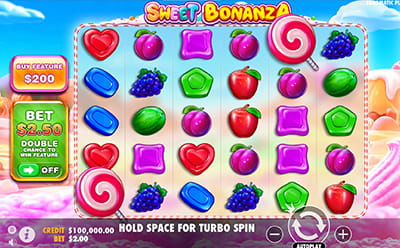
Slot labels often describe themes more clearly than mathematical behaviour. A game may feature cascading reels, bonus rounds, expanding symbols or Hold & Win mechanics, but those features do not establish how frequently wins occur or how large they may be. Read the paytable and information panel first. Look for the stated RTP, paylines or ways to win, bonus-round rules and any maximum-win conditions that are disclosed.
Volatility is another useful concept, although it should not be mistaken for a prediction. Lower-volatility games may produce smaller outcomes more frequently, while higher-volatility games can involve longer gaps and less predictable results. Actual outcomes remain random, and a short session cannot prove that a title is “due” to pay. A demo mode, where available, can help you understand controls and presentation, but it does not reproduce a guaranteed financial result.
Pay particular attention to optional features. Bonus buys can accelerate access to a feature while also increasing the cost of a round. Progressive jackpots may have separate conditions, and some promotional terms can restrict which games or stakes qualify. Before using real funds, establish a fixed session amount and avoid increasing it because a feature has not appeared. Game information is useful for informed selection, not for eliminating uncertainty.
When is live dealer play a better fit?
Live dealer games are designed for players who prefer a streamed table, a visible dealer and a more social presentation. The described catalogue includes real-time blackjack, roulette and baccarat, with video feeds and dealer chat, as well as game-show-style formats. This can feel closer to a traditional casino environment than an automated table, but it also tends to require more uninterrupted attention.
Choosing among live formats still requires understanding the basic structure. Roulette centres on predictions about where a ball will land, baccarat uses a relatively limited set of player decisions, and blackjack involves choices such as hitting, standing or doubling under the applicable rules. Game shows may add hosts, bonus rounds or special rules. Read the table information before joining, especially where minimum and maximum stakes or side bets are displayed.
Live play should not be confused with improved odds. A human dealer changes the presentation, not the underlying uncertainty of the game. Dealer chat and fast rounds can also encourage longer sessions than planned. Canadian players who want general information about gambling-related risks can consult CAMH information on problem gambling. Use live tables when the format suits your preferences, not because the stream suggests greater control.
How can instant and original games fit a session?
Instant games are generally built around quick interactions and clear outcomes. Crash, Mines, Diamonds, instant roulette, instant blackjack and instant baccarat are among the formats described in the catalogue. Their speed can be convenient for someone seeking brief entertainment, but rapid rounds also make it easy to lose track of time and total spending. A short game is not automatically a lower-risk game.
Original or house-branded games may be worth exploring when you want something outside familiar supplier categories. Treat them with the same care as any other title: inspect the rules, identify the displayed RTP if provided, understand the available bets and check whether the game uses multipliers, cash-out choices or escalating risk. Do not assume that an unusual design, a simple interface or a new release changes the mathematical advantage.
A sensible way to test these formats is to create a clear stopping point before opening the game. Decide how many rounds or how much time the session allows, then stop when that boundary is reached rather than extending it after a near miss or a losing streak. Keep a record of the amount used across different categories if you are comparing experiences. The purpose of discovery is to identify entertainment preferences, not to chase a particular result.
Which game type suits a particular preference?
Which option is simplest for a first visit?
Classic slots, basic video slots and standard roulette are usually easier to understand than games with several bonus layers or unfamiliar rules. Even then, read the information panel before playing. Simplicity describes the interface, not the likelihood of winning, so keep the same spending limit you would use for a more complex title.
Are demos enough to judge a game?
Demos can help you learn controls, paylines, feature triggers and the general pace where they are offered. They cannot verify long-term RTP, predict a future result or demonstrate what a real-money session will feel like financially. Use a demo as a product tour, then make a separate decision about whether real play fits your limits.
Should I choose by provider name?
Provider names can help you locate familiar design styles, but they are only one discovery tool. Compare the individual title’s rules, RTP information, volatility description and features instead. Two games from the same studio may behave very differently, while unfamiliar suppliers may offer formats that suit you better. Selection should follow the game’s information, not reputation alone.